Secure & Confidential

Electricity Bill Layout Formats and Statement Structure References

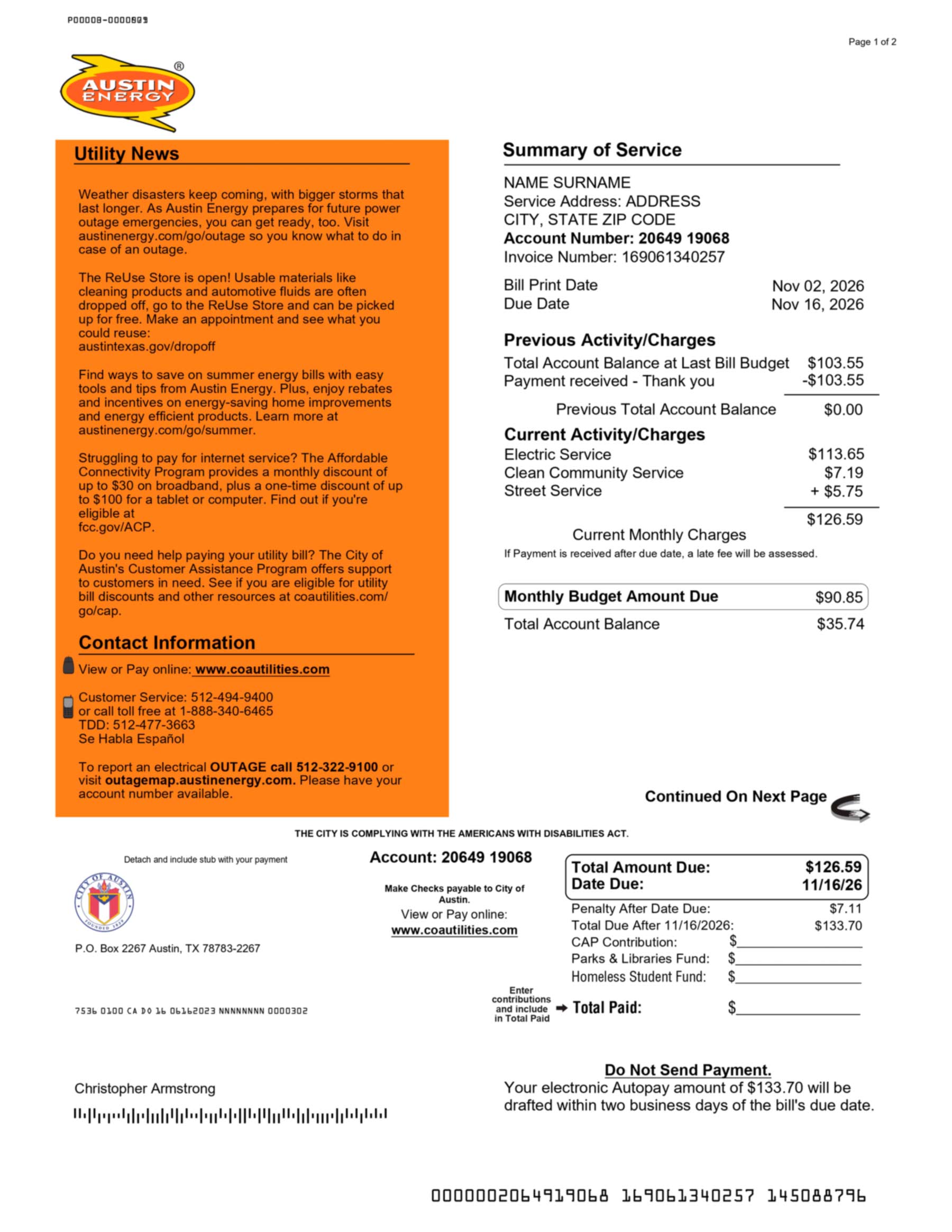
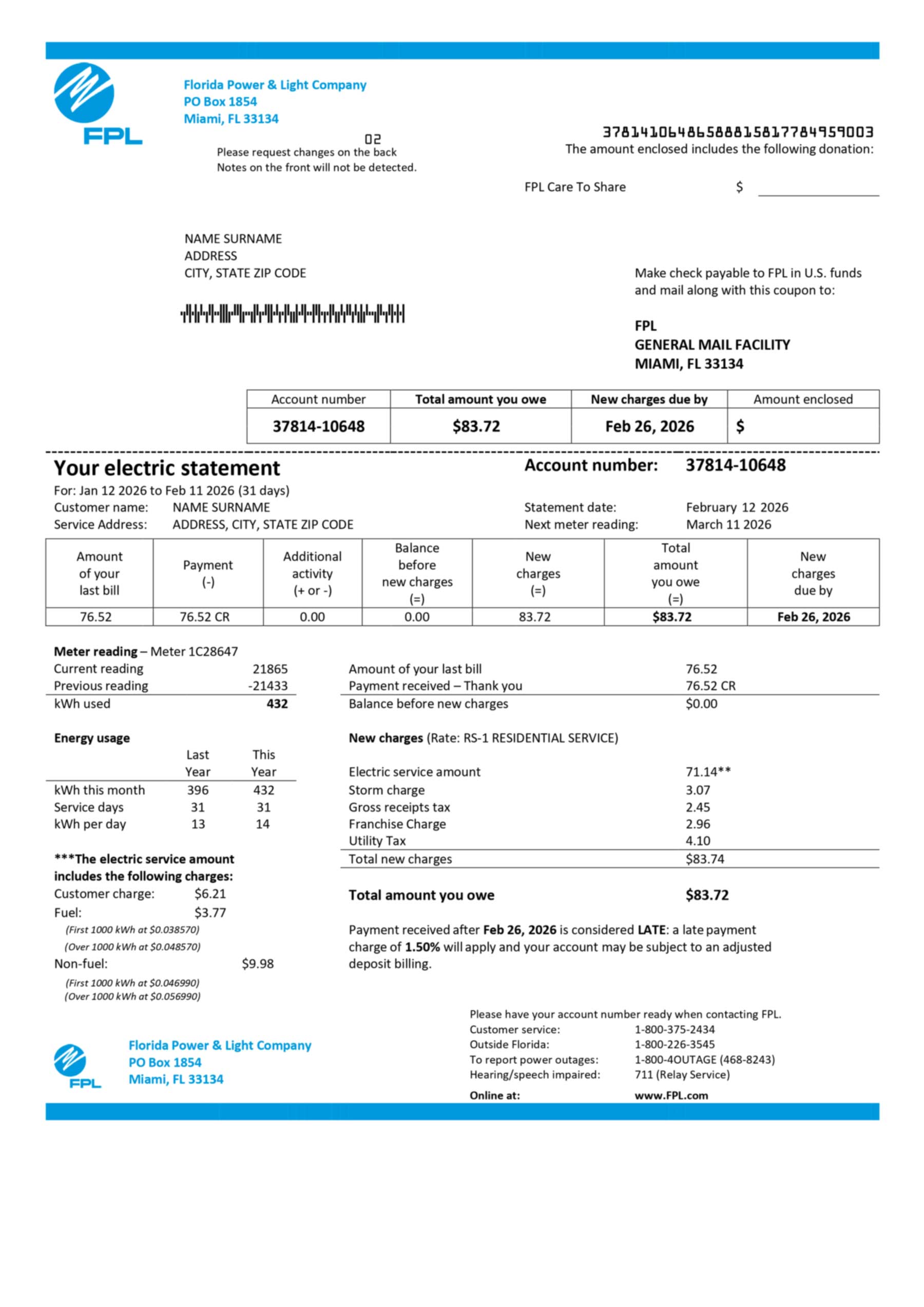
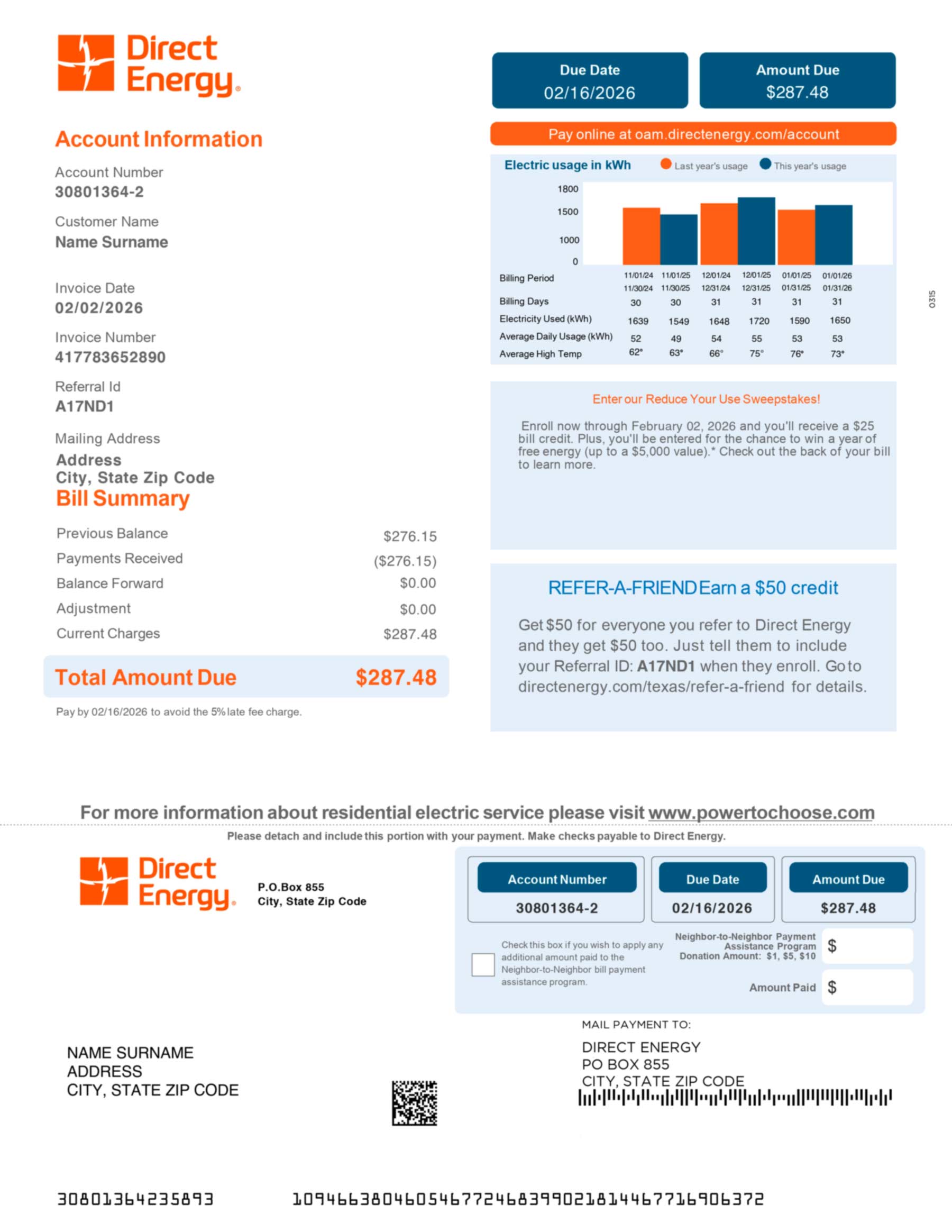
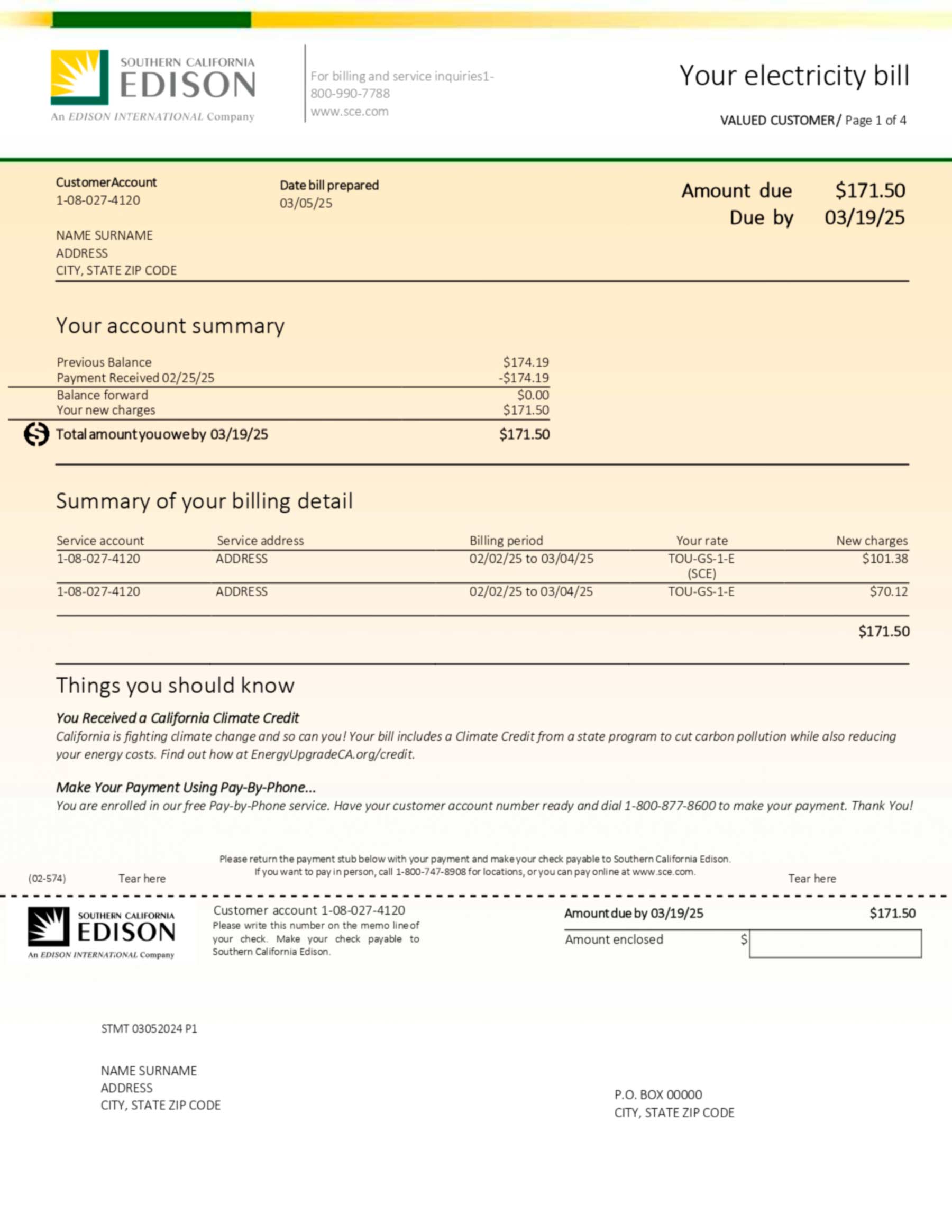
Electricity bills are recurring account statements used to document energy consumption, service charges, and payment information over a defined billing period. While the purpose of these statements remains consistent across regions, the way information is structured, grouped, and visually presented can vary significantly depending on regulatory environments, service models, and design conventions.

This hub provides an educational overview of common electricity bill layout formats and document structure patterns observed across different countries and regions. It focuses on how information is typically organised within electricity statements rather than on official standards or provider-specific designs.

All content on this platform is intended strictly for informational, training, and layout reference purposes. It does not represent official billing documents and is not affiliated with electricity providers, regulatory bodies, or public institutions.

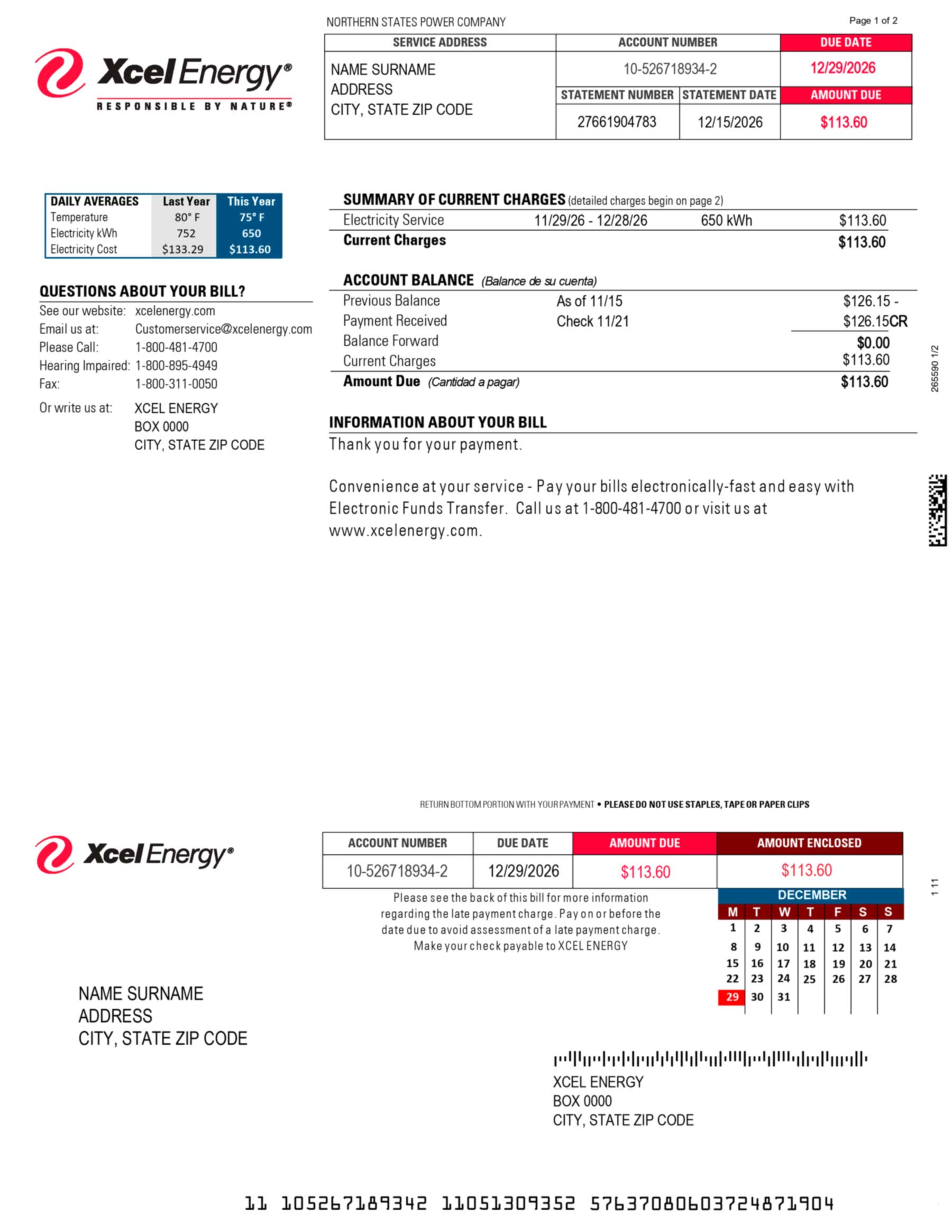
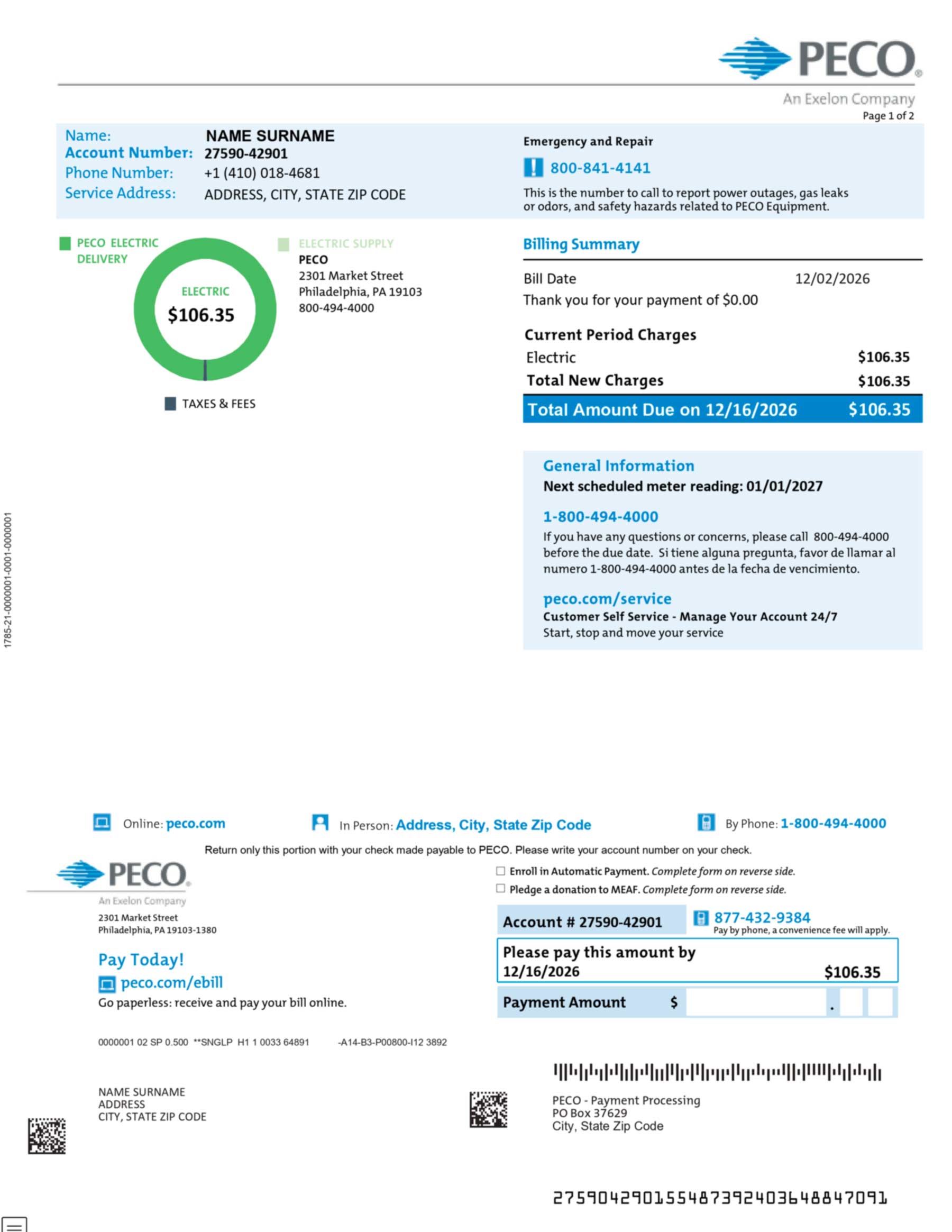
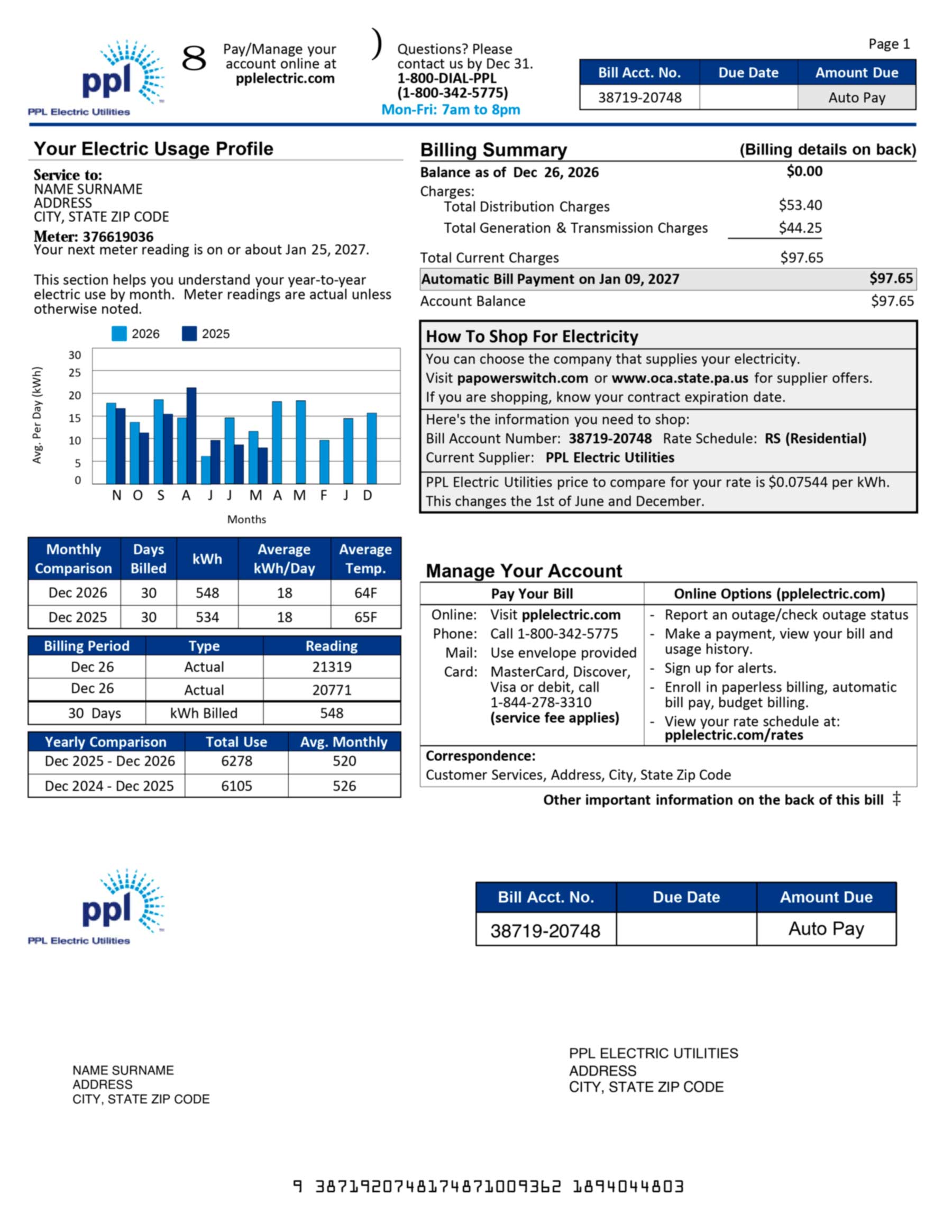
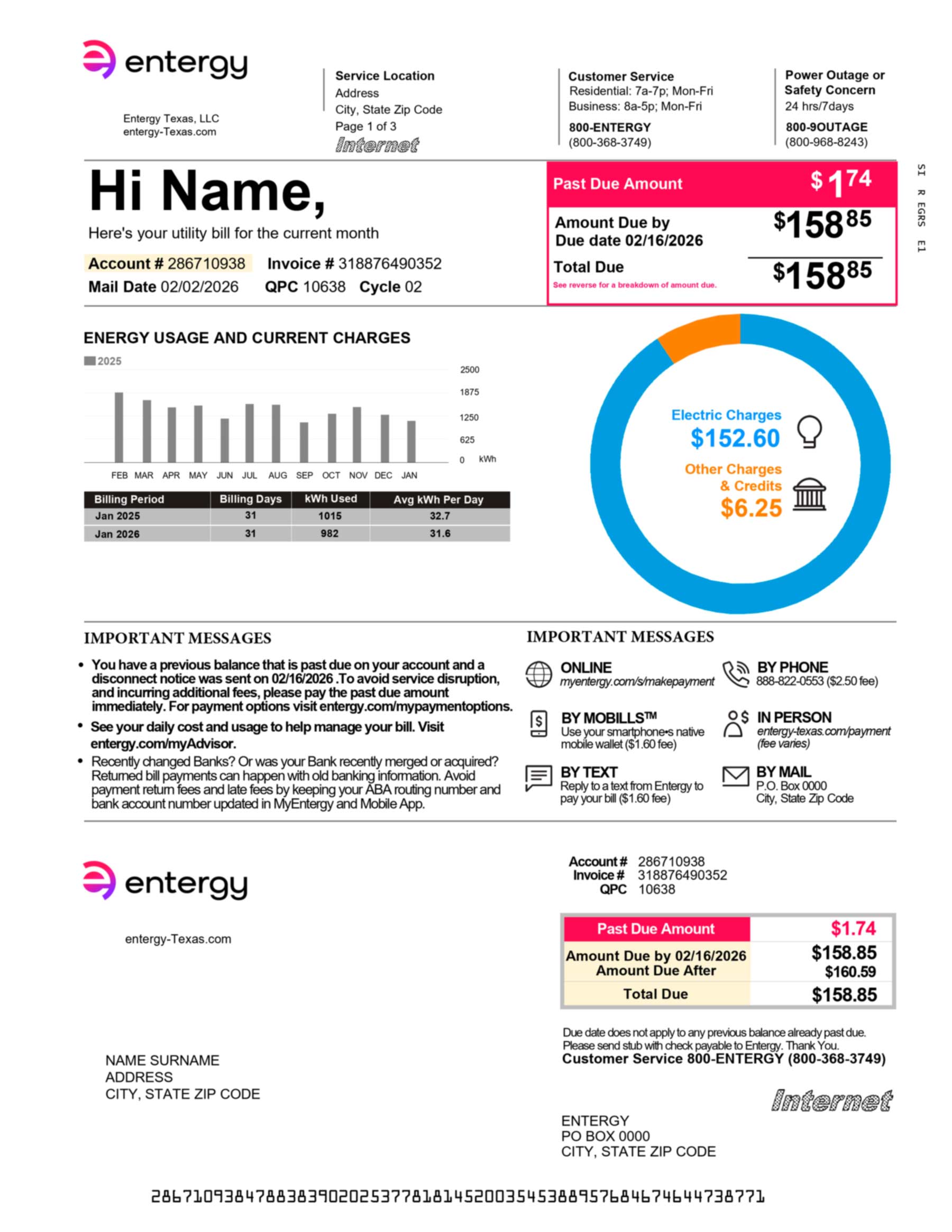
What an Electricity Bill Typically Includes

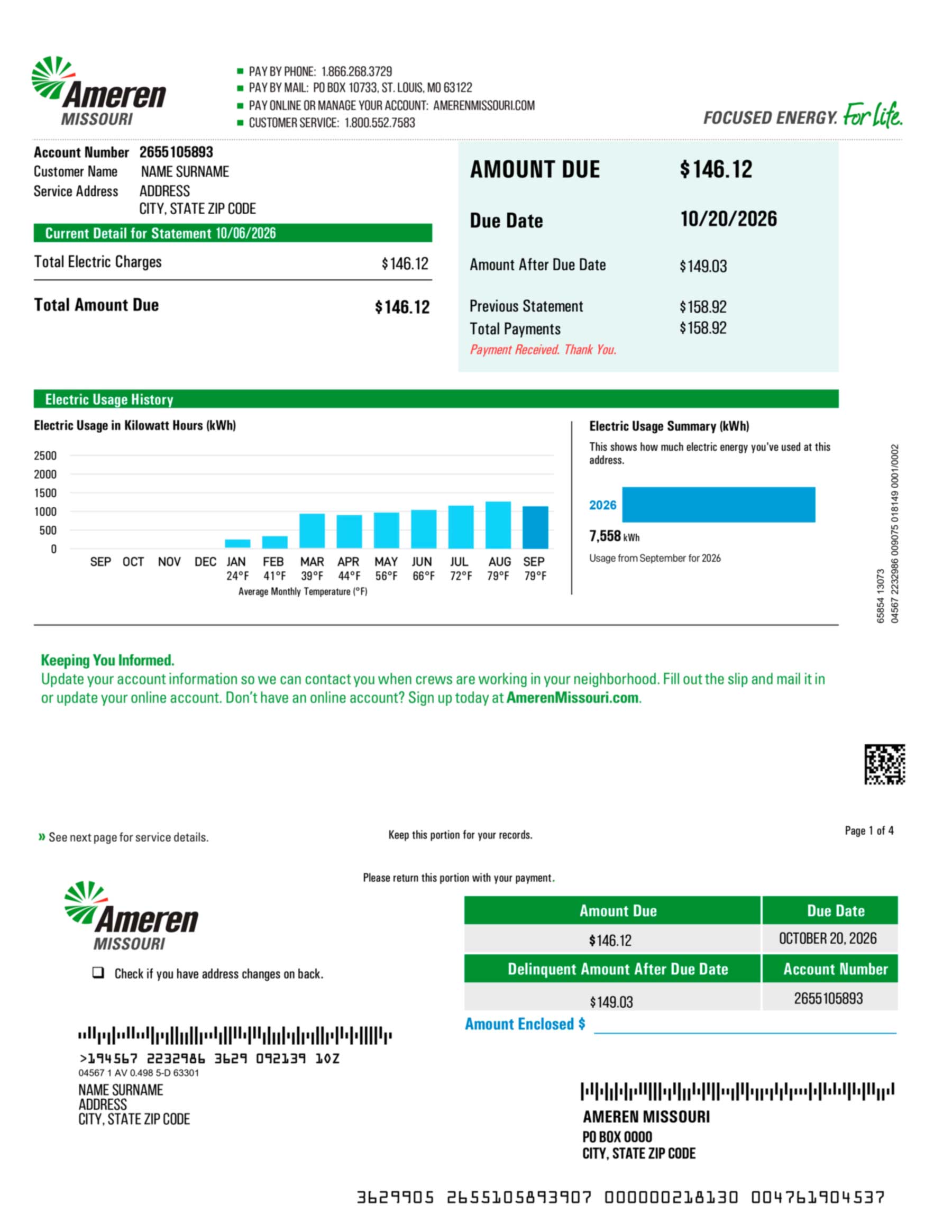
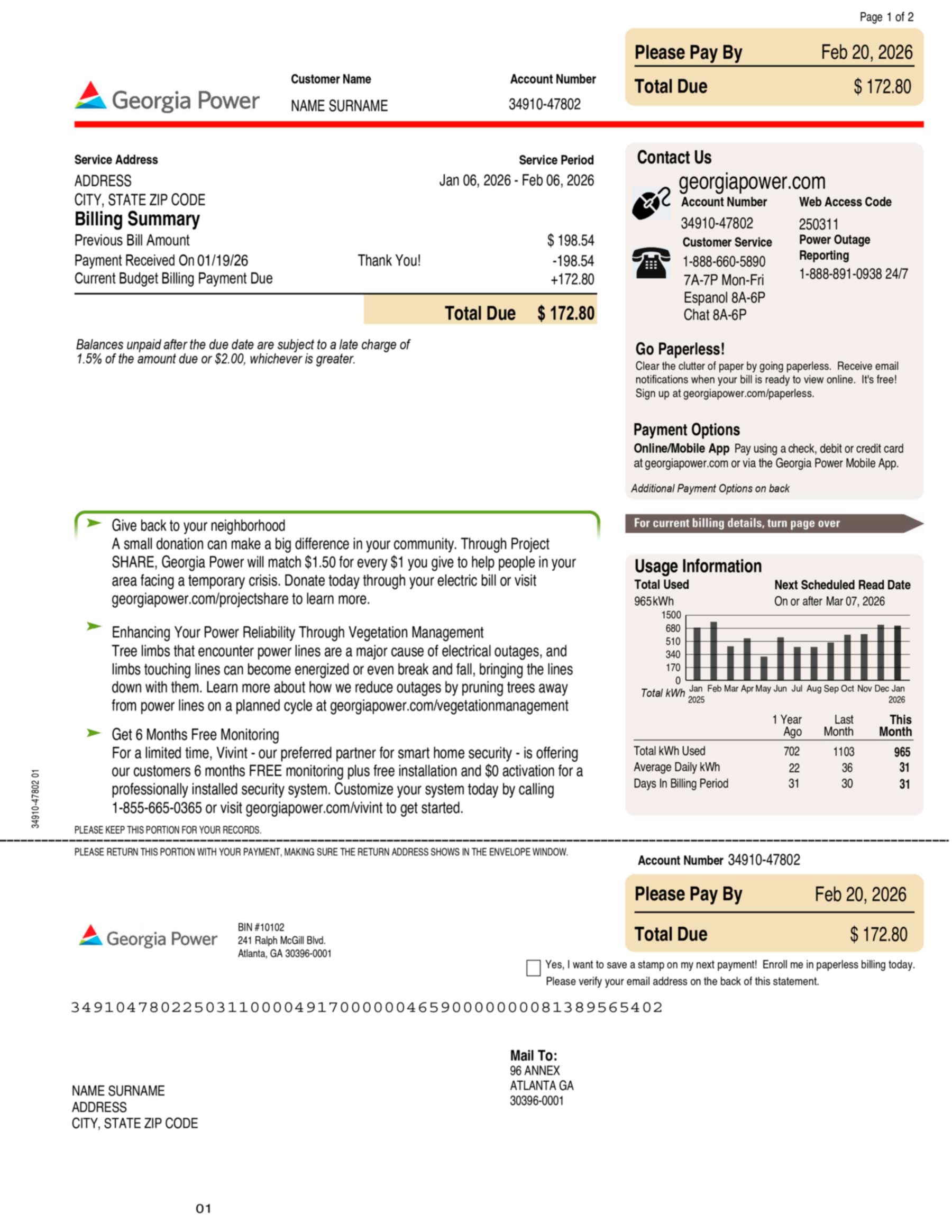
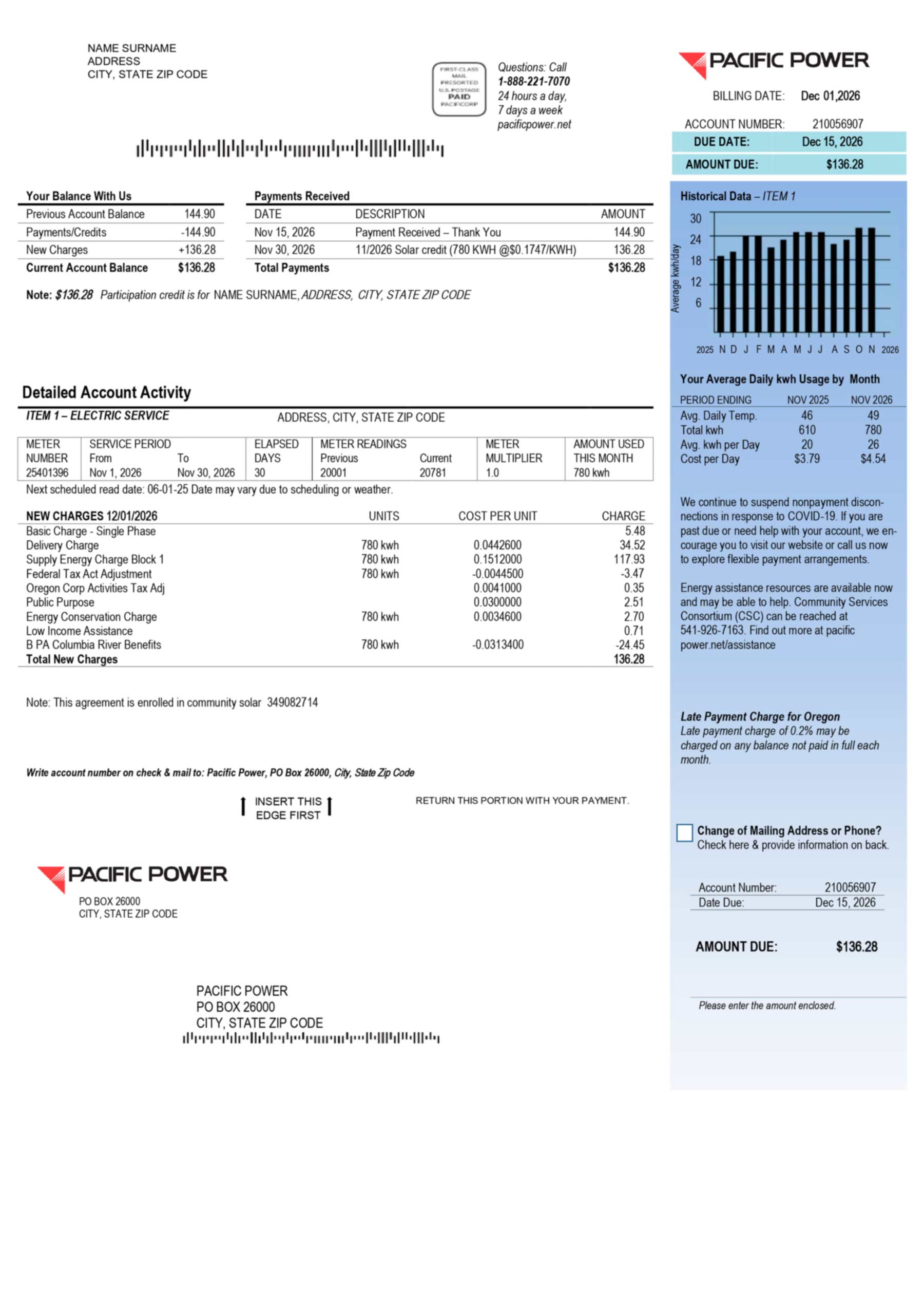
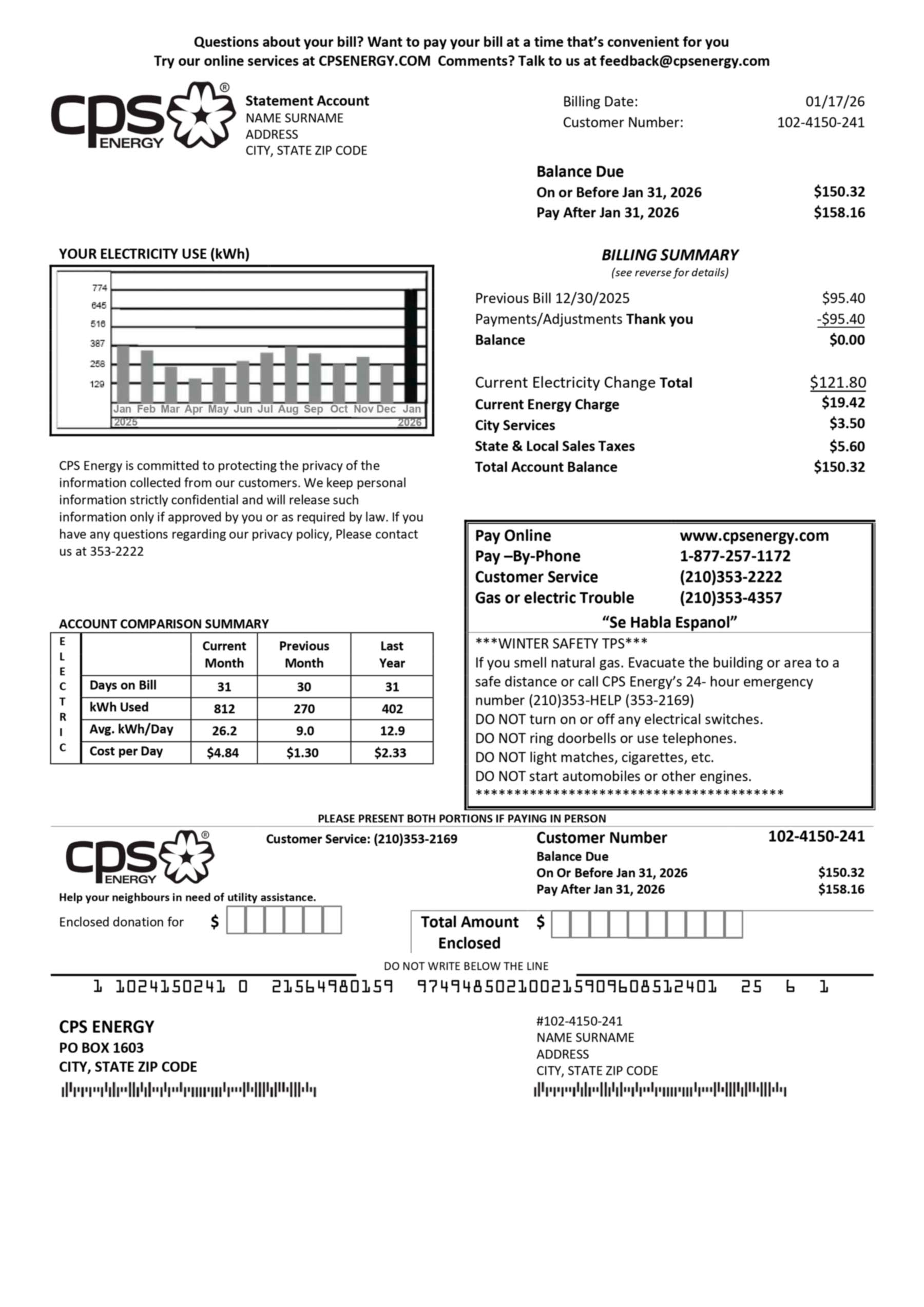
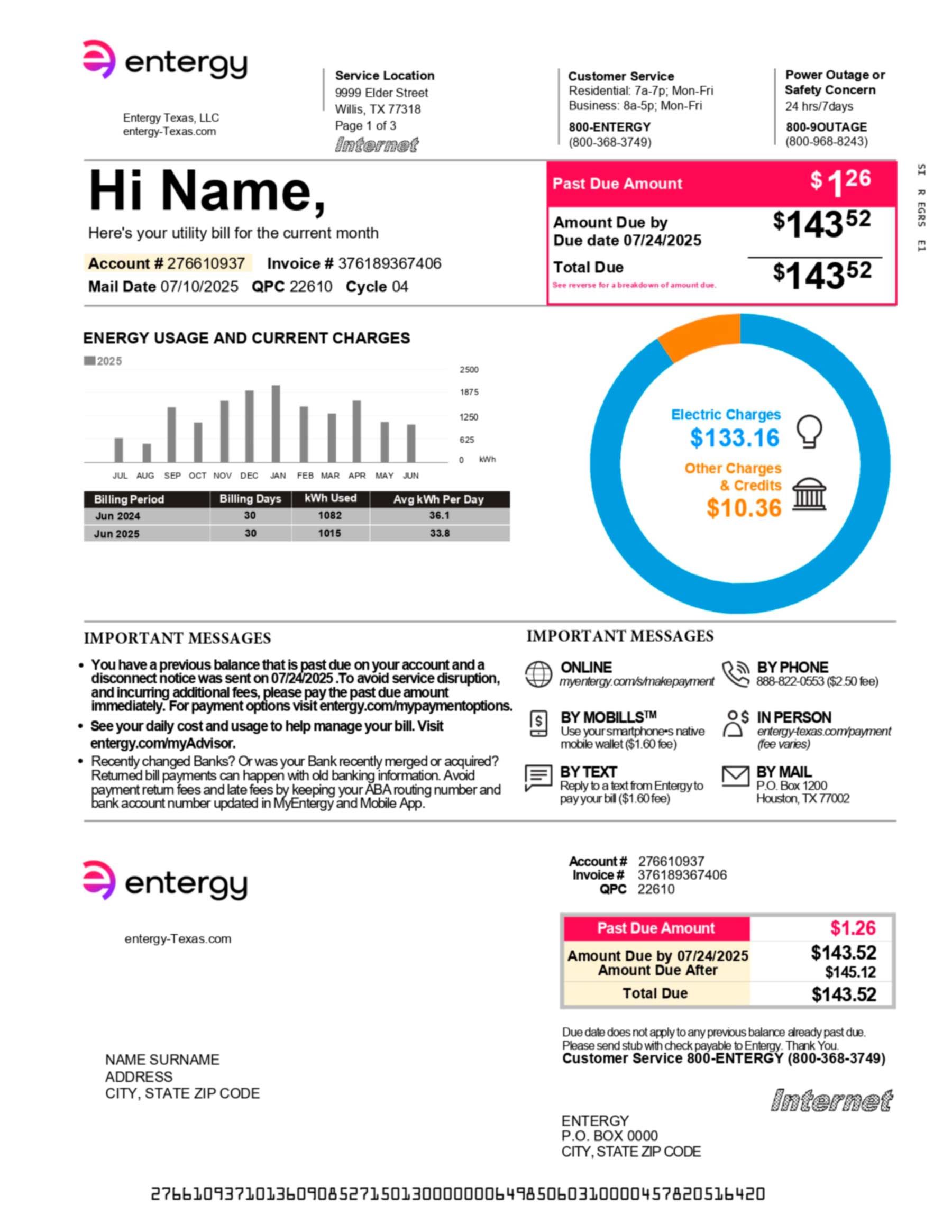
Although visual styles differ, most electricity bills share a common set of informational sections that follow a logical hierarchy:

  • Customer and service details — account holder name, service address, and account reference number
  • Billing period block — start and end dates of energy usage coverage
  • Meter reading information — previous and current readings with calculated consumption
  • Energy usage summary — total kilowatt-hours (kWh) consumed during the period
  • Charges breakdown — base service fees, variable energy costs, and adjustments
  • Taxes and regulatory fees — applicable levies or government charges
  • Total balance due — final payable amount
  • Payment details — due date and payment reference information

These elements are typically arranged to guide readers from identification and usage data toward financial totals and payment instructions.

Common Layout Structure and Visual Hierarchy

Most electricity bill layouts follow a vertical flow designed for clarity and efficient scanning. A frequently observed structure includes:

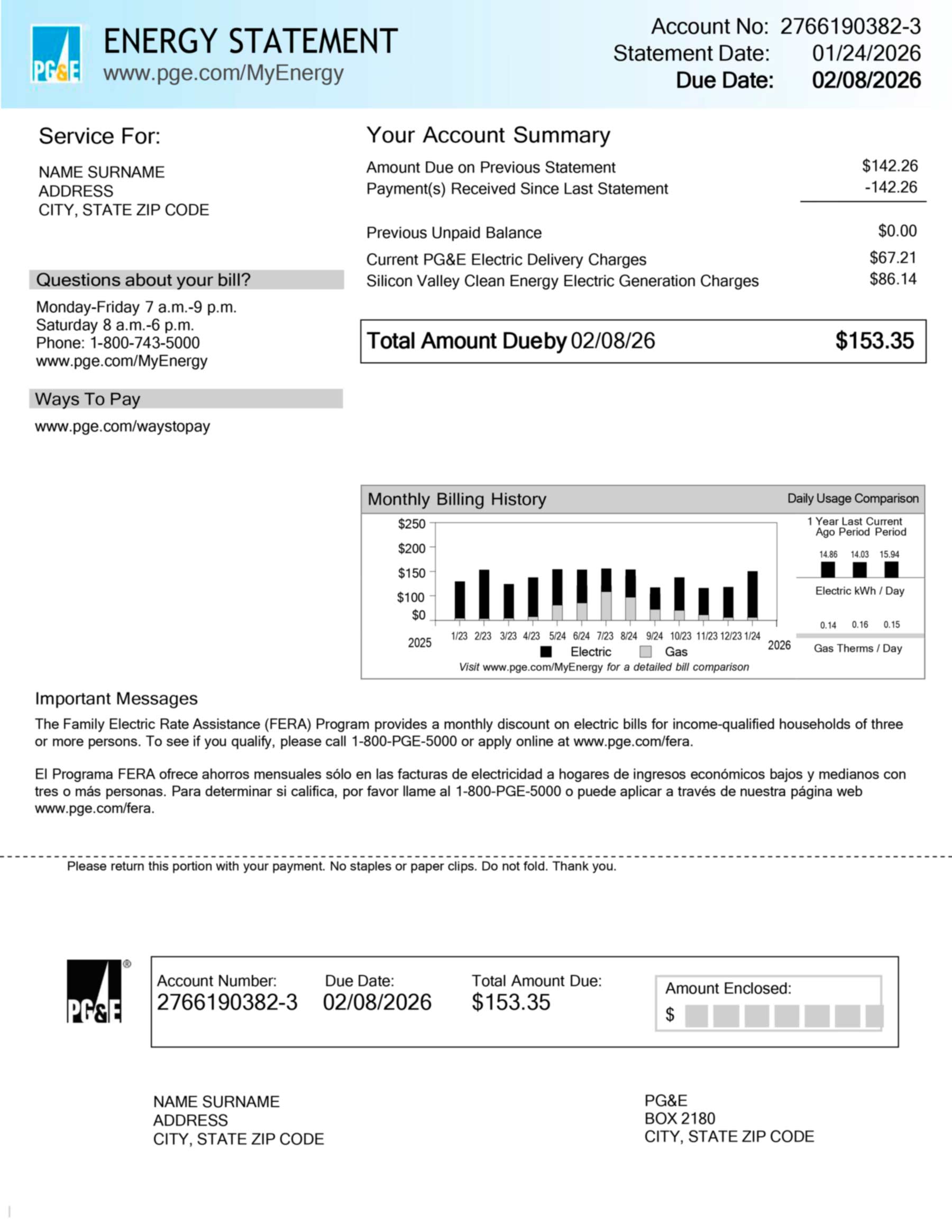
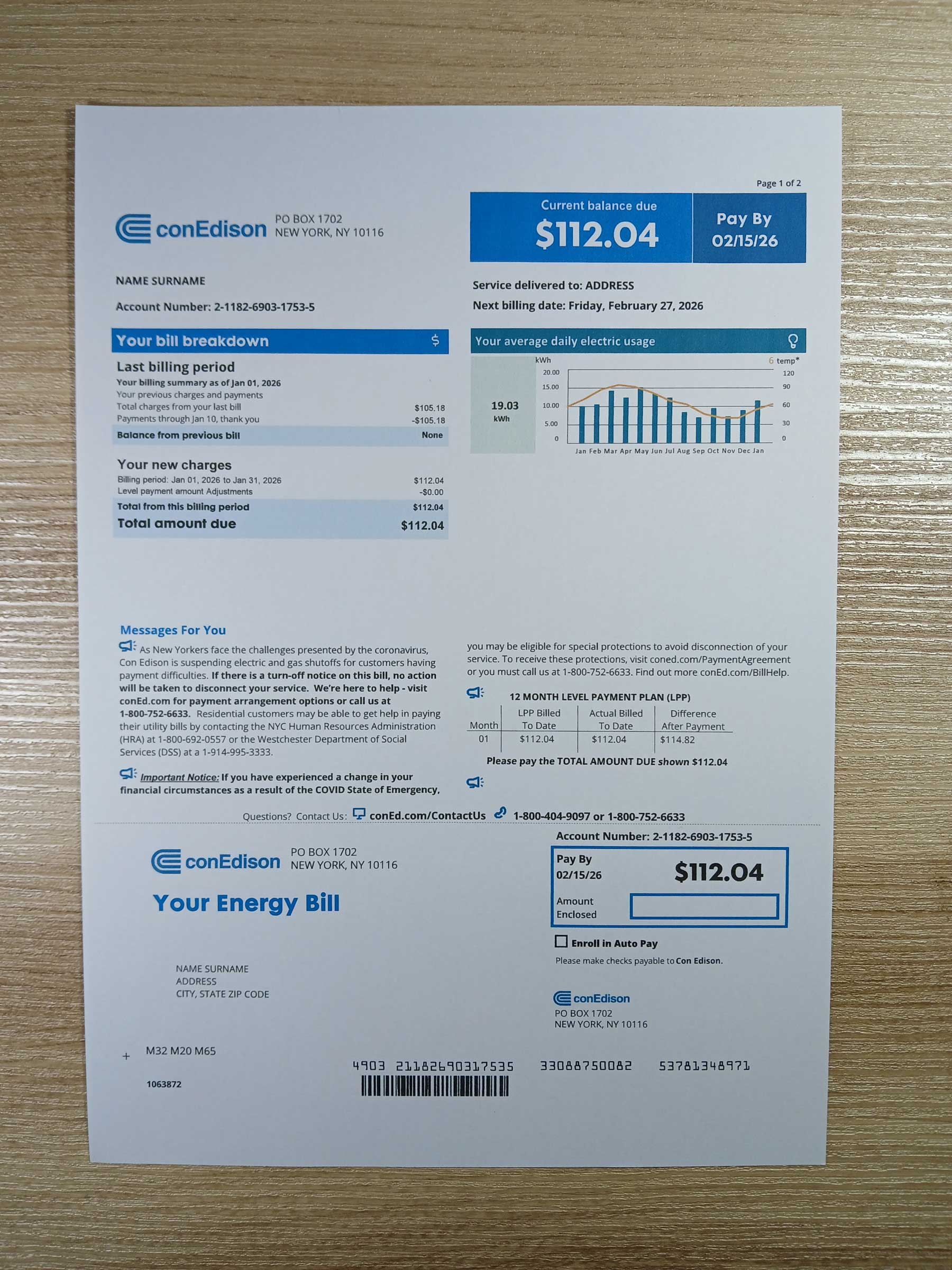
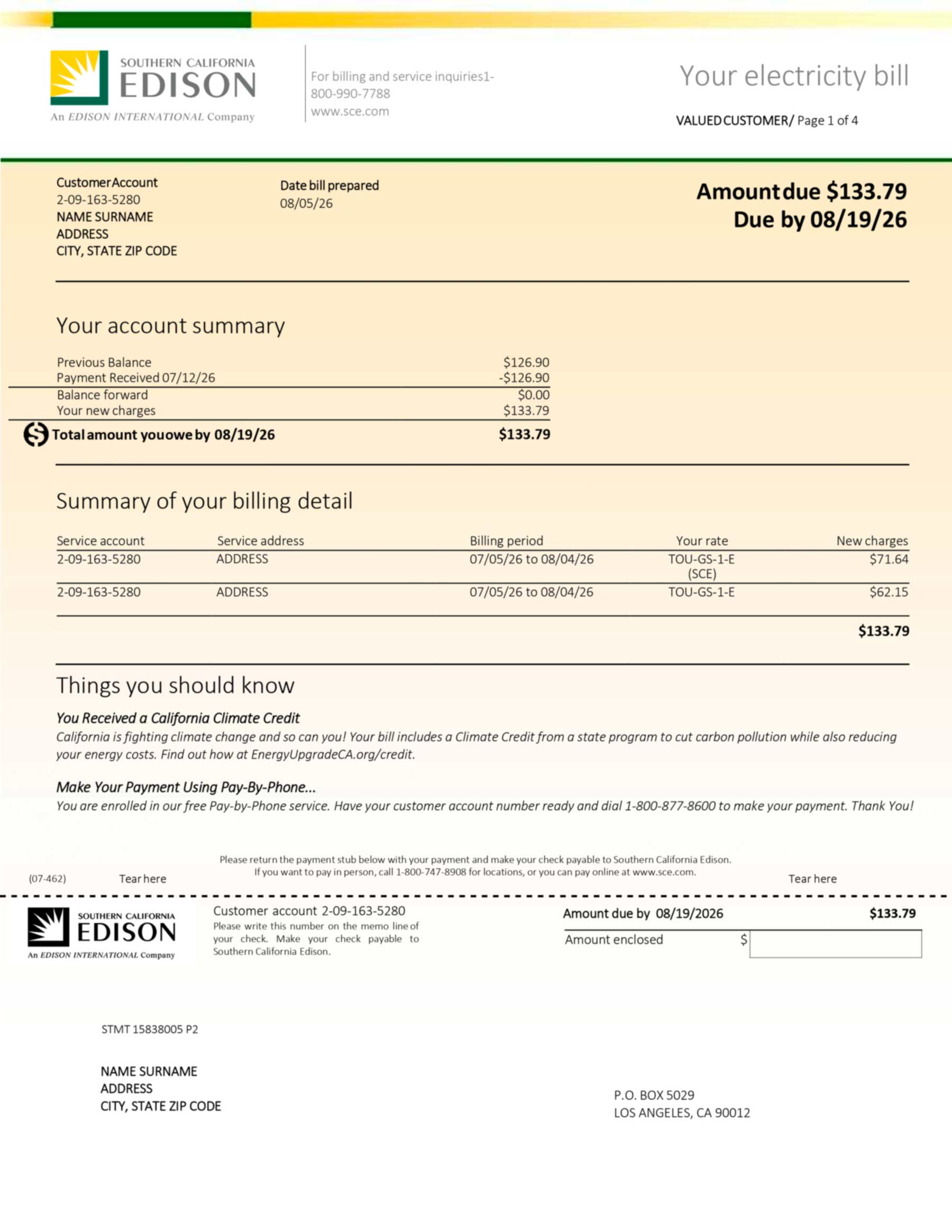
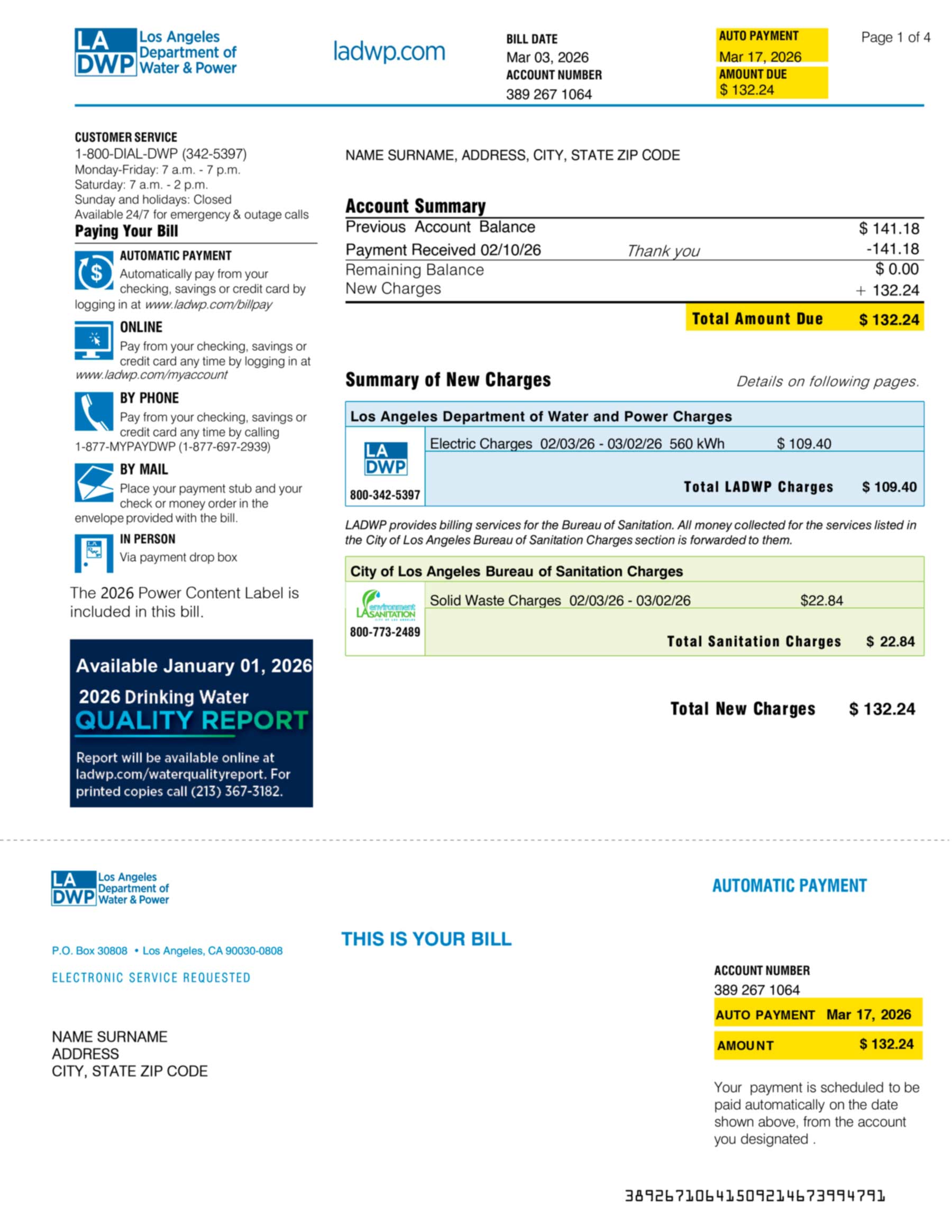
  • Header area containing branding and statement overview
  • Customer identification and service location section
  • Billing period and summary information
  • Meter reading or usage table
  • Detailed charges and adjustments block
  • Tax and regulatory fee section
  • Total amount due and payment guidance

Designs often use subtle lines, spacing, and column alignment to separate each informational group while maintaining visual cohesion.

Key Fields and How They Are Presented

Across different regions, several presentation patterns commonly appear on electricity statements:

  • Usage tables showing meter readings and consumption units
  • Charge summaries separating fixed service fees from variable energy costs
  • Date highlights for billing cycles and payment deadlines
  • Account reference blocks used for customer identification
  • Tax breakdown sections itemising applicable fees

Numerical data is usually aligned in columns to improve readability, particularly in usage and financial summary areas.

Regional Conventions in Electricity Bill Formatting

Geographic practices influence how electricity bills are structured and labelled. Some commonly observed variations include:

  • Separate delivery and energy supply charge sections in many North American layouts
  • VAT-inclusive or itemised tax blocks across much of Europe
  • Regulatory disclosure panels in highly governed markets
  • Different terminology for usage units and billing cycles

These differences reflect local regulatory requirements and established industry design norms.

PDF Statements vs Digital Electricity Bills

Electricity bills are commonly delivered in both printable PDF formats and digital account interfaces. Each format shapes layout presentation:

  • PDF statements typically preserve fixed layouts with clearly defined sections and tables
  • Digital e-bills often reorganise content into responsive panels and expandable summaries
  • Hybrid designs combine print-friendly formatting with interactive digital elements

While content remains consistent, layout logic adapts to screen size and user interaction.

Practical Layout Notes for Designers and Analysts

Effective electricity bill layouts commonly emphasise:

  • Clear grouping of usage data and financial information
  • Consistent alignment of consumption figures and charges
  • Readable typography for dense data tables
  • Logical progression from service details to payment totals
  • Visual separation between informational blocks

These design principles support transparency and improve user comprehension.

Related Electricity Bill Format References

Frequently Asked Questions

Do electricity bill layouts follow a standard format worldwide?

No. While most electricity statements share common structural elements, layout conventions differ by country, regulatory framework, and service model.

What information usually appears at the top of an electricity bill?

The header typically includes company branding, customer identification details, and a brief account summary.

Are meter readings always shown on electricity bills?

Most electricity bills include meter reading or usage data, though presentation styles can vary.

Why are charges often divided into multiple sections?

Many layouts separate fixed service fees, variable energy costs, and regulatory charges for transparency.

Do digital electricity bills contain the same information as PDFs?

Yes. Digital formats usually present the same data but organise it into responsive or interactive layouts.

Is there a universal design standard for electricity statements?

No single global standard exists. Layouts evolve based on regional regulations and design practices.

Optional Design Resources

For those seeking structured layout examples for interface mockups, training materials, or formatting practice, curated electricity bill layout template packs are available as optional design resources. These collections focus on common statement structures and presentation patterns observed across multiple regions.

Exploring region-specific layout packs can complement the educational references provided throughout this hub.

Scroll to Top
Brand-utilitybill logo for custom utility bills company
Privacy Overview

This website uses cookies so that we can provide you with the best user experience possible. Cookie information is stored in your browser and performs functions such as recognising you when you return to our website and helping our team to understand which sections of the website you find most interesting and useful.