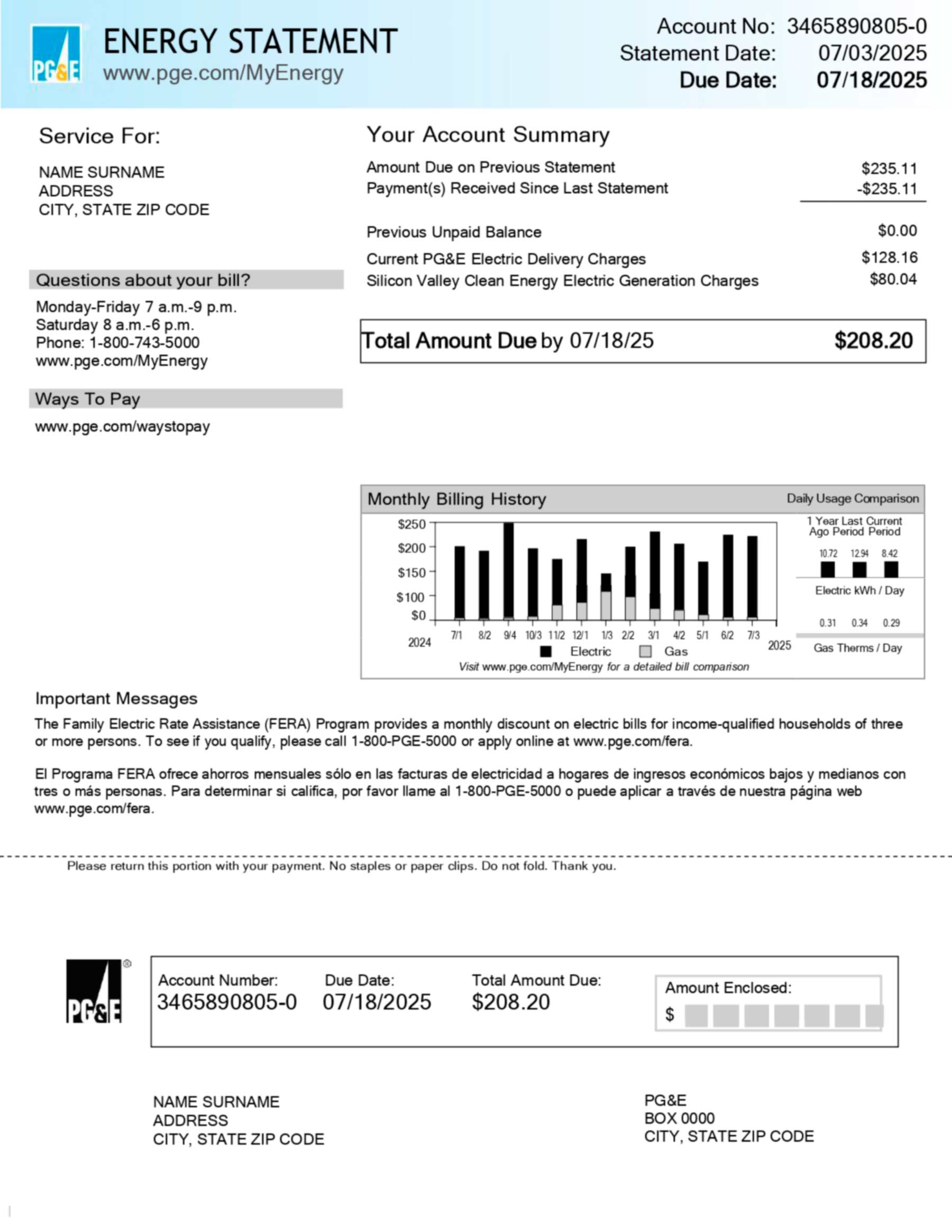
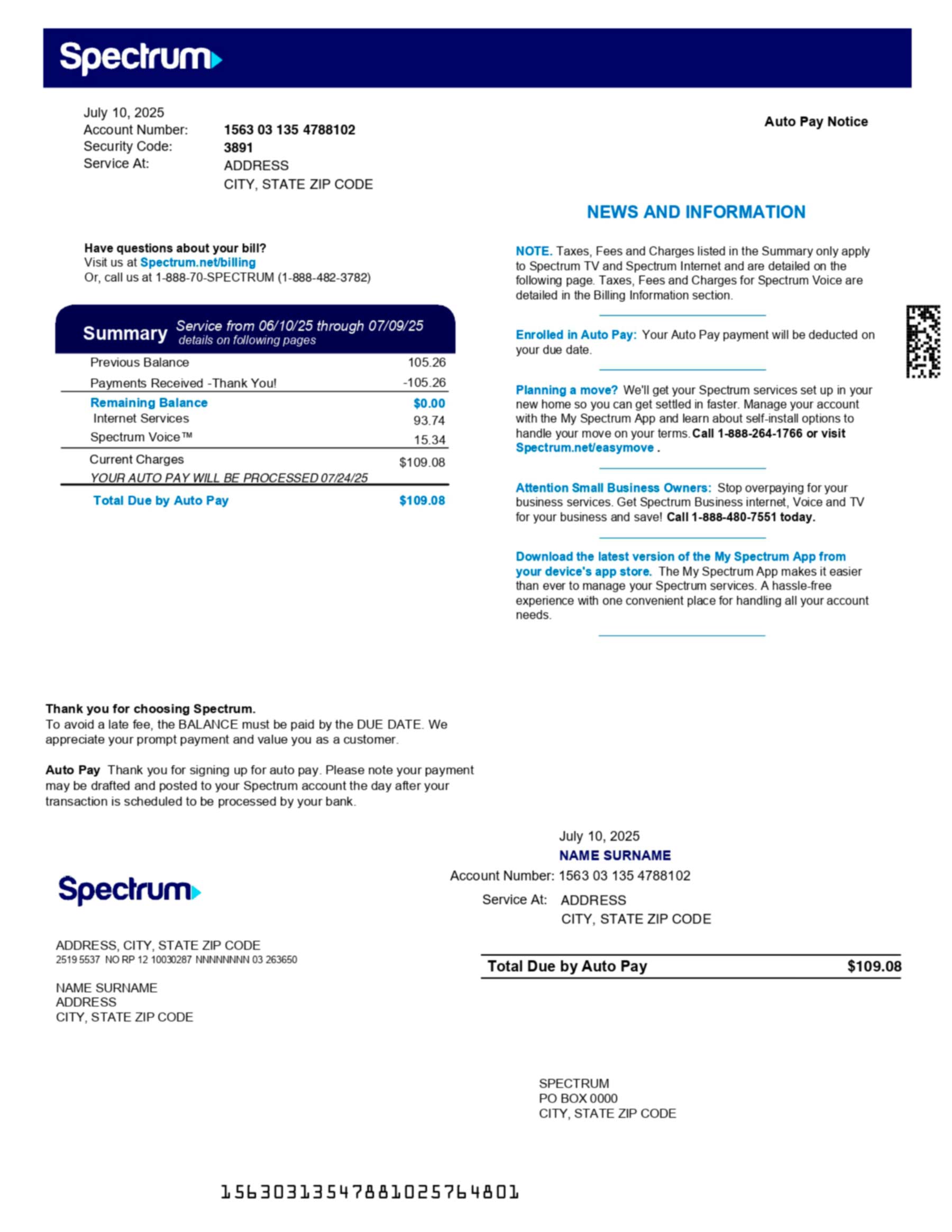
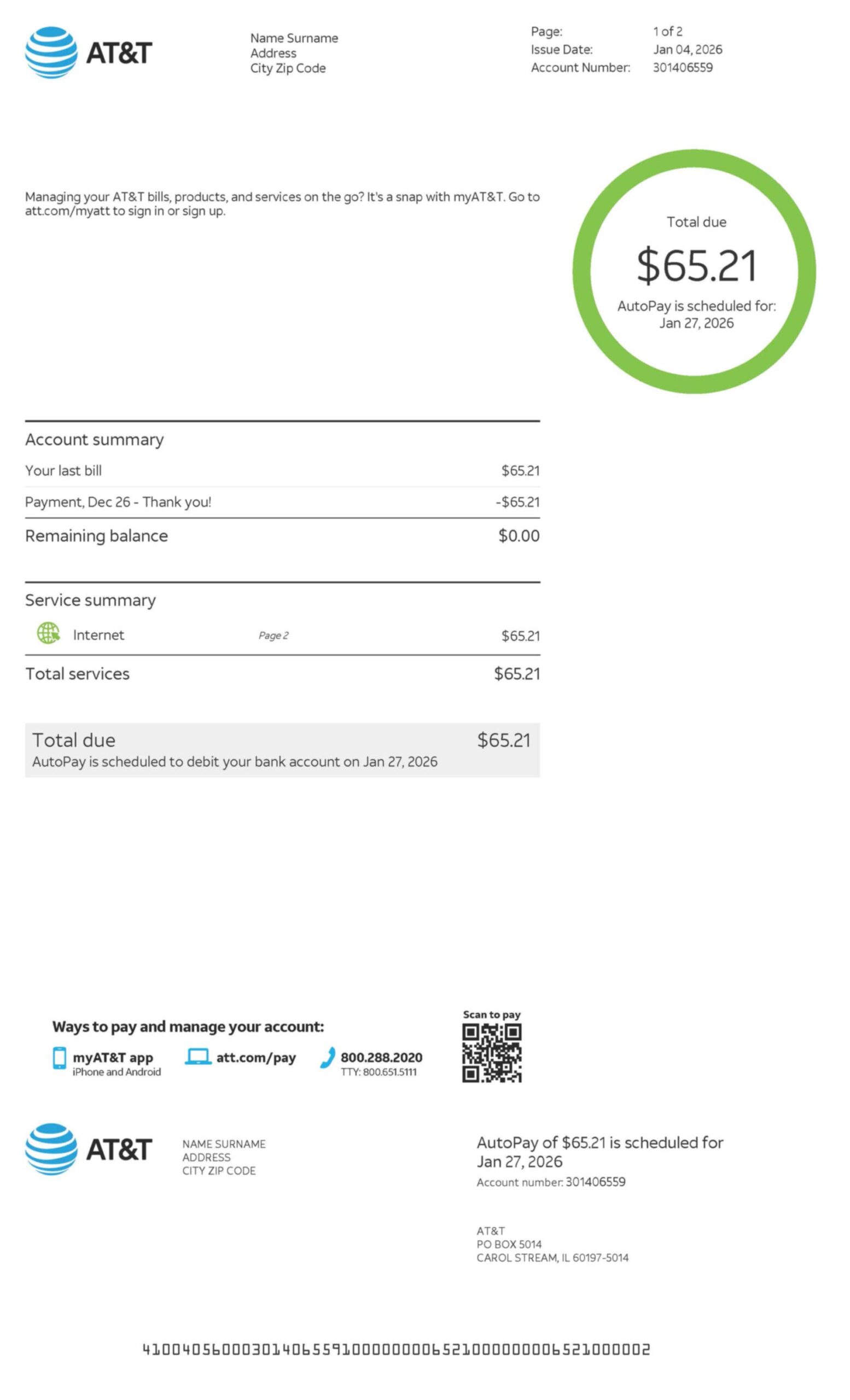
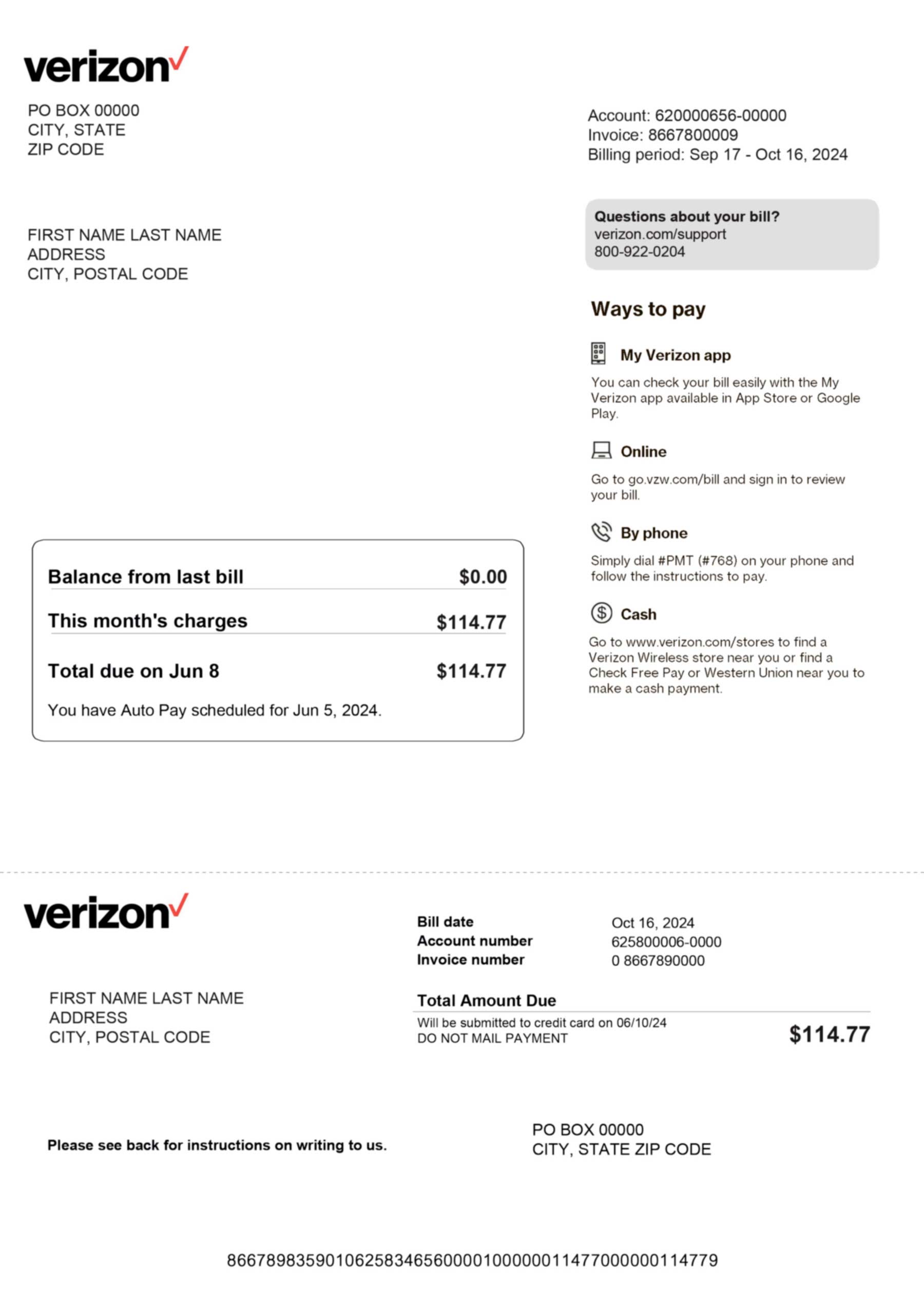
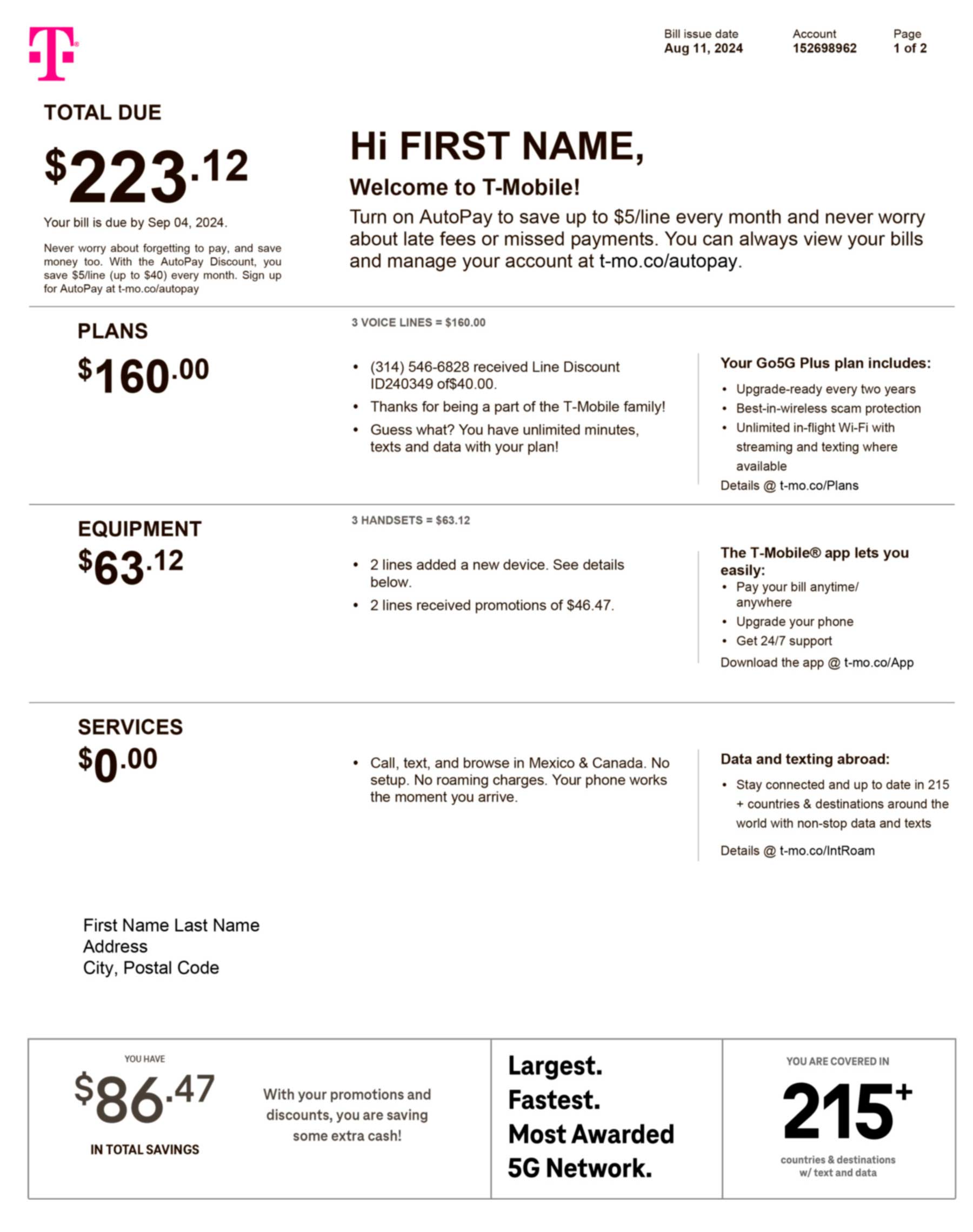
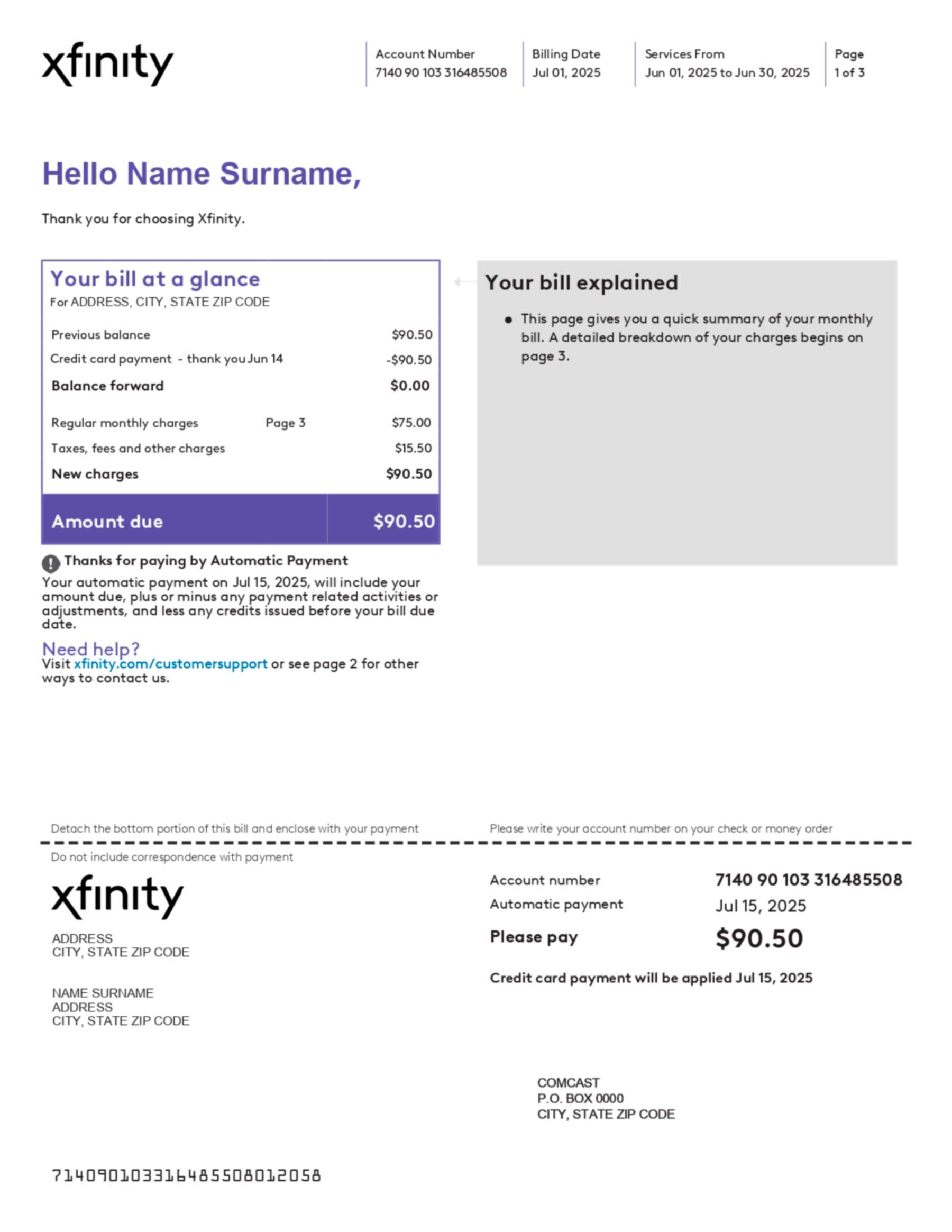
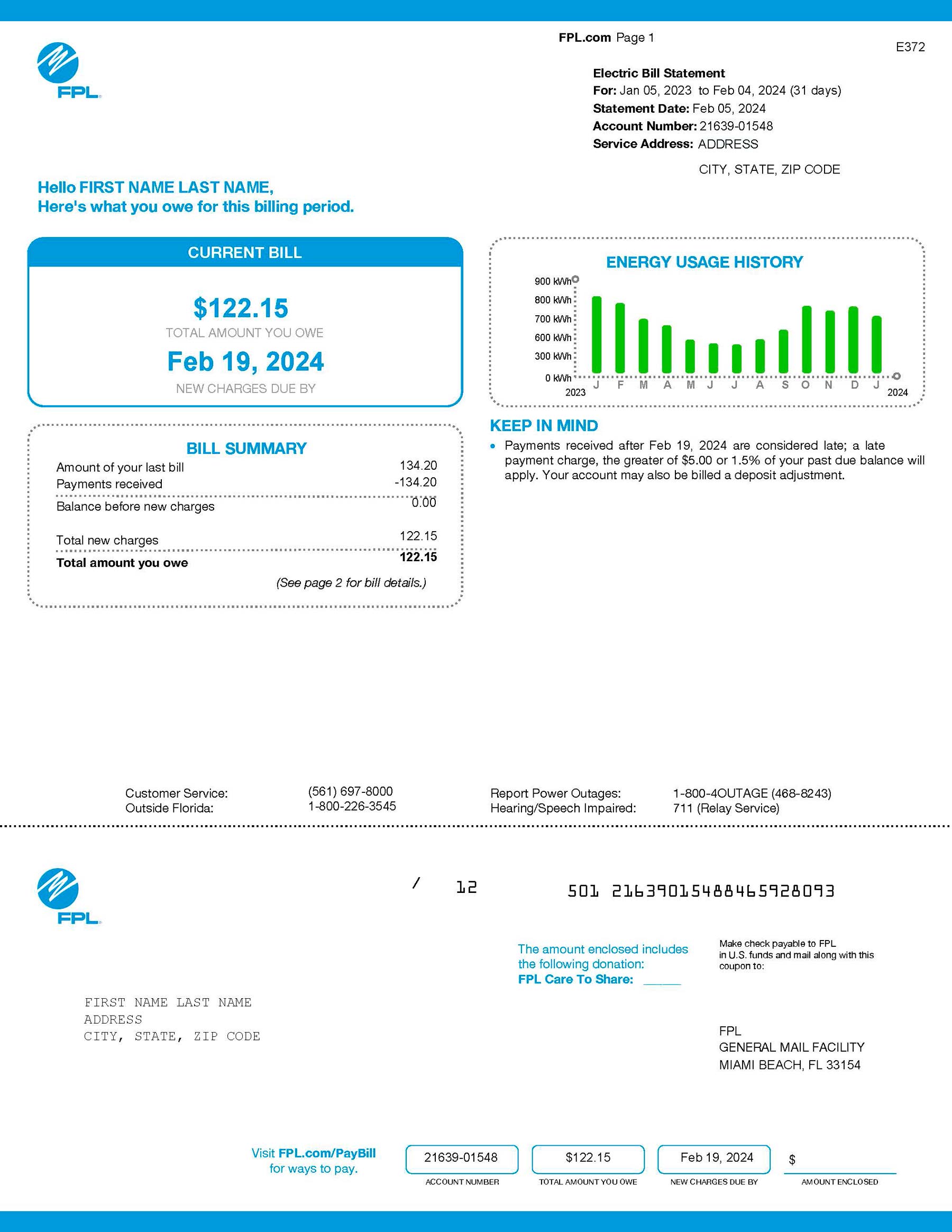
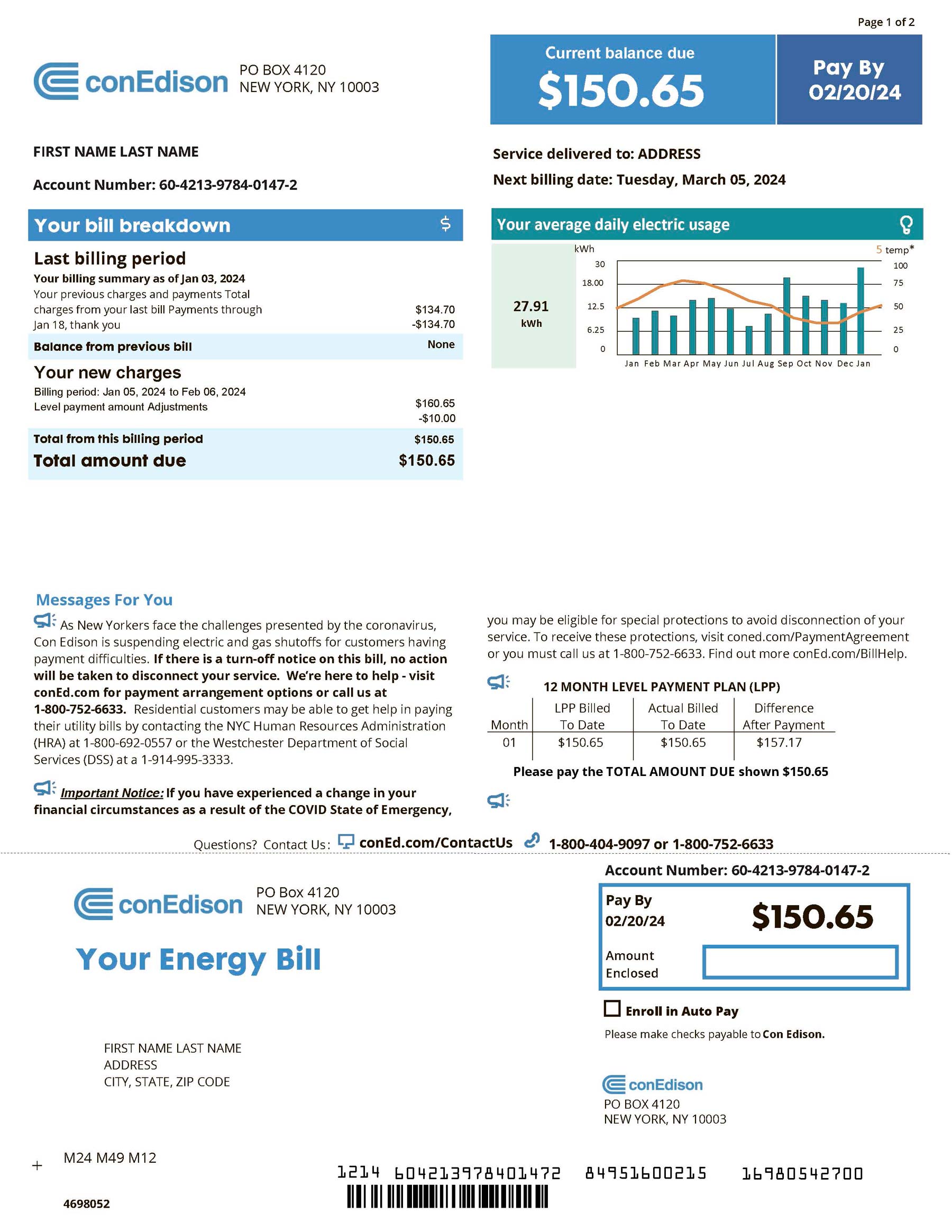
Natural gas billing statements in the United States follow a fairly consistent structural logic shaped by regulatory standards, regional utility practices, and long-standing document design conventions. While visual styling may vary between providers, the underlying layout framework tends to remain stable across most US gas statements.
This page explores how a typical gas bill is organized in the United States, focusing on layout flow, grouped information sections, and commonly displayed data fields. The goal is to help designers, educators, and analysts understand how gas billing documents are presented for training, formatting reference, and UI layout study.
Educational note: This resource is intended strictly for informational and layout reference purposes. It does not provide official documents, recreate real statements, or support any form of verification or administrative use. All descriptions reflect general formatting patterns commonly found in US gas billing layouts.
What a gas bill typically includes in the United States
Most US gas billing statements present a structured summary of account activity for a monthly billing cycle. The layout usually prioritizes clarity, separating usage data from financial charges while highlighting totals prominently.
Common sections found on US gas bills include:
- Customer account and service location information
- Billing period dates and meter reading timeframe
- Gas consumption measured in therms or cubic feet
- Itemized charge categories
- Taxes and regulatory fees
- Total amount due and payment due date
- Historical usage comparisons (often graphical)
These elements are arranged to guide the reader from account identification at the top through detailed breakdowns toward a summarized balance at the bottom or upper corner of the page.
Common layout structure and information flow
Gas bill layouts in the United States generally follow a vertical information hierarchy, often divided into clearly boxed or shaded content zones.
A typical flow looks like this:
- Header area: Utility branding, customer name, account number, and statement date
- Account summary block: Previous balance, payments, adjustments, current charges, and total due
- Usage section: Meter readings, consumption totals, and comparison to prior periods
- Charges breakdown: Delivery charges, supply charges, service fees
- Additional information: messages, notices, regulatory text
- Payment section: remittance slip or digital payment references
Many statements use horizontal separators or light background shading to visually separate these functional blocks.
Key fields and how they are usually presented
Within each section, specific data fields tend to appear in predictable formats. Below is a simplified representation of commonly displayed fields and their placement patterns:
- Account Number: top right or top left near customer name
- Billing Period: shown as start and end dates beneath account summary
- Meter Number: listed in the usage table
- Previous Reading / Current Reading: aligned in columns
- Usage Total: bolded or highlighted
- Rate per unit: displayed next to consumption amount
- Subtotal charges: grouped by category
- Total Due: emphasized in larger font or boxed area
Numerical values are typically right-aligned in tables for easy scanning, while labels remain left-aligned.
Region-specific formatting conventions
US gas bills commonly reflect the following regional formatting tendencies:
- Use of tabular layouts for meter readings and charges
- Clear separation between supply costs and delivery costs
- Inclusion of regulatory line items such as environmental or infrastructure surcharges
- Monthly usage history shown as bar charts or small line graphs
- Currency formatted with dollar sign and two decimal places
Some states emphasize energy efficiency messaging or conservation tips within dedicated side panels or footer sections.
Overall, the layout prioritizes transparency — showing how usage converts into cost through rate multiplication and categorized fees.
PDF statements and digital billing layouts in the United States
Gas bills are now commonly delivered both as printable PDF documents and as interactive digital statements through online portals.
Typical characteristics of US gas billing formats include:
- PDF versions closely mirroring traditional paper layouts
- Digital dashboards breaking the same data into expandable sections
- Clickable usage charts in online views
- Condensed summaries at the top with full breakdowns below
While digital layouts may simplify navigation, they still preserve the same content grouping logic found in printed statements.
Practical layout notes for designers
For those studying US gas bill layouts for interface design or document formatting practice, several consistent patterns stand out:
- Strong visual hierarchy using bold totals and boxed summaries
- Tables used for both usage and charges
- Short explanatory labels beside technical fields
- Whitespace separating major content zones
- Consistent placement of totals near the top or bottom right
Designers often balance dense data presentation with readability by using light grid lines, alternating row shading, and compact fonts.
Related format references
To explore additional layout structures and supporting educational materials, visit the following resources:
- Gas utility bill format overview hub
- United States utility bill layout reference hub
- Common fields found across utility statements
- How meter reading sections are structured
- Typical layout of charges and fee breakdowns
- Differences between PDF and digital billing layouts
FAQ
Do all gas bills in the US follow the same layout?
While visual styling varies, most US gas statements use similar structural sections such as account summary, usage tables, and charge breakdowns.
Where is usage information usually displayed?
Usage is commonly shown in a dedicated middle section featuring meter readings and total consumption for the billing period.
How are charges grouped on US gas bills?
Charges are typically divided into supply costs, delivery fees, and additional regulatory or service charges.
Are historical comparisons common?
Yes, many statements include graphs or tables comparing current usage with previous months or the same period last year.
Do PDF and digital layouts contain the same information?
Generally yes — digital versions reorganize navigation but preserve the same data fields and content structure.
Why are there multiple line items for fees?
US billing standards emphasize transparency, showing each category of cost separately rather than as a single total.
Where is the total amount due usually located?
It is often displayed prominently near the top summary section or highlighted at the bottom of the statement.
Are measurement units consistent nationwide?
Most US gas bills use therms, though some regions may display cubic feet with conversion details.
Optional design resources
For educational design practice and layout study, curated gas bill layout template packs are available as visual references. These resources focus on document structure, spacing, and presentation patterns commonly used in US gas statements.
They are intended for UI design training, formatting exercises, and educational demonstrations only — not for real-world billing or administrative use.